Earthy Watercolor Wildflower Backgrounds
The Anatomy of a Painterly Surface
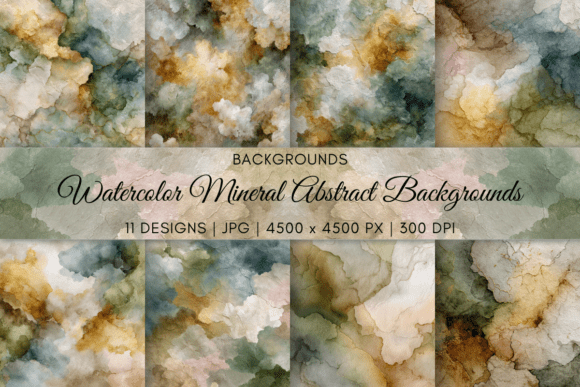
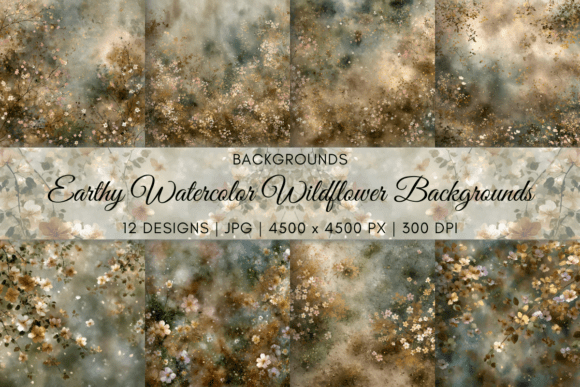
When we talk about design assets that bridge the gap between organic artistry and digital utility, few elements are as versatile as watercolor textures. Specifically, Earthy Watercolor Wildflower Backgrounds offer a distinct aesthetic that goes beyond a simple flat color or a standard stock photo. These backgrounds are characterized by their "painterly" quality—a look that mimics the unpredictable nature of watercolor pigment settling on paper. You will notice the delicate floral speckles, the bleed of petals, and the layering of earthy, muted tones. Unlike the sharp vectors of modern typography, these backgrounds introduce softness and imperfection, which is exactly what gives them their charm.
The personality of this style is rooted in nature and romance. It doesn’t shout for attention with neon colors; instead, it whispers with sage greens, dusty roses, and warm ochres. This organic texture creates a sense of depth that flat digital design often lacks. For a designer, this means you are working with a surface that has history and character before you even place your first line of text. Whether you are using a serif font for an editorial look or a script font for a wedding suite, the background provides a grounded, tactile foundation that makes the digital experience feel more human.
Strategic Applications for Modern Creators
Understanding where to deploy Earthy Watercolor Wildflower Backgrounds is key to maximizing their impact. These are not just pretty pictures; they are functional design assets that solve specific visual problems across various industries.
Stationery and Editorial Design
In the world of invitations and publishing, texture is everything. For wedding stationery, these backgrounds evoke a sense of timeless elegance without being overly formal. They work beautifully behind light-colored typography, allowing the text to float within a garden setting. In editorial design, such as magazine covers or book jackets, these backgrounds can set a mood instantly—signaling content that is thoughtful, artistic, or connected to lifestyle and wellness. The key here is using the background to support the hierarchy, ensuring your headers stand out against the organic chaos of the petals.
Branding and Packaging Design
For entrepreneurs and small business owners, brand identity is often about differentiation. If you are in the skincare, boutique food, or handmade goods market, a sterile white background might feel too corporate. Earthy Watercolor Wildflower Backgrounds offer a solution for packaging design that communicates "handcrafted" and "natural" immediately. These textures can be used on box sleeves, labels, or tissue paper designs to create a cohesive unboxing experience. It signals to the customer that the product inside cares about quality and organic ingredients.
Digital Presence and Social Media
On screens, attention spans are short. A unique background can stop the scroll. These backgrounds are incredibly effective for social media graphics, particularly for quote cards, sale announcements, or podcast covers. Because they are high-resolution (4500 x 4500 pixels), they remain crisp even when cropped or zoomed in for Instagram Stories or Pinterest pins. For web design, they can be used as hero images for lifestyle blogs or as subtle texture overlays to break up the monotony of solid color blocks, adding a layer of sophistication to the user interface.
Technical Precision Meets Artistic Flair
While the aesthetic is loose and painterly, the technical application of Earthy Watercolor Wildflower Backgrounds must be precise. One of the most common pitfalls in design is using low-quality assets that pixelate upon printing. This is where the specifications of these assets shine. Being provided at 300 DPI ensures that the texture remains professional in print media, from business cards to large-scale wall art. This resolution is critical for maintaining the integrity of the fine details—the tiny speckles and soft gradients that define the watercolor look.
Furthermore, the compatibility of these JPGs allows for seamless integration into almost any workflow, whether you are using Adobe Photoshop, Illustrator, Canva, or Procreate. This universality is vital for a creative font or background asset; you shouldn't have to struggle to open the file. The goal is immediate creative use. When you have a library of 12 distinct designs, you gain the flexibility to match specific color palettes or moods without having to manually recolor a texture, saving valuable production time.
Integrating Texture with Typography
A background is only as good as the typography that sits on top of it. When working with Earthy Watercolor Wildflower Backgrounds, your choice of typeface is crucial for readability and visual hierarchy. Because these backgrounds feature organic textures and varying tones, you generally want to avoid handwritten fonts or overly complex display fonts that might get lost in the visual noise of the petals.
Instead, consider pairing these earthy textures with clean, legible sans serif fonts for a modern contrast, or classic serif fonts to enhance the romantic, traditional feel. A practical tip is to look for areas of the background with negative space or lighter washes to place your text. You can also utilize a semi-transparent shape or a "knockout" effect to ensure your message is legible. The interplay between the hard edges of digital text and the soft edges of watercolor creates a dynamic tension that elevates the professionalism of the design.
Ultimately, these backgrounds are about versatility. They are designed to elevate your work, whether you are creating a logo for a florist, a menu for a cafe, or a digital planner. By treating these assets as foundational elements rather than afterthoughts, you can build designs that feel rich, textured, and deeply connected to the natural world. They provide a canvas that encourages creativity while ensuring your final output remains polished and commercially viable.